+91 7620308161
pinnacleendoscopy123@gmail.com
KLLG st, No.99, Pku City, ID 28289
Specialist-led diagnosis and treatment for oesophagus, stomach, intestine, liver, pancreas and bile duct conditions using advanced endoscopic techniques.
We provide comprehensive digestive evaluation and minimally invasive treatments under the care of a highly experienced gastroenterologist — ensuring accurate diagnosis, early detection and safe recovery.
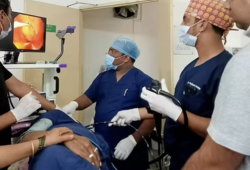
A camera-based examination of the oesophagus, stomach and duodenum.
For acidity, reflux, ulcers, indigestion, bleeding or persistent upper GI symptoms.
Brief evaluation, symptom review, and preparation guidance for the procedure.
Endoscopic evaluation; biopsies or minor therapy if required.
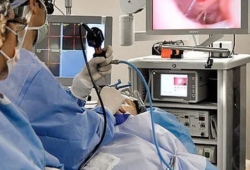
A detailed endoscopic examination of the large intestine.
For rectal bleeding, altered bowel habits, polyps, inflammation or screening.
Assessment of symptoms and bowel-prep instructions.
Polyp removal, biopsy collection and targeted therapy during the procedure.
A combined endoscopy + X-ray imaging procedure for bile duct and pancreatic issues.
For jaundice, stones, strictures, pancreatitis or abnormal scans.
Review of liver/pancreas reports and explanation of ERCP steps.
Stone removal, stent placement or therapeutic intervention.
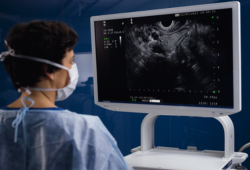
High-resolution internal imaging for pancreas, bile duct and GI lesions.
For precise evaluation of tumors, cysts, stones or unexplained pain.
Discussion of symptoms and how EUS helps refine diagnosis.
Imaging with optional fine-needle aspiration if required.
Endoscopic treatment to control bleeding from varices.
For rectal bleeding, altered bowel habits, polyps, inflammation or screening.
Stability assessment, prior reports review and risk explanation.
Banding or glue therapy to prevent or stop active bleeding.
Removal of stomach or colon polyps during endoscopy.
To reduce cancer risk or analyze suspicious growths.
Evaluation of symptoms and explanation of polyp removal safety.
Endoscopic excision of polyps with biopsy if needed.
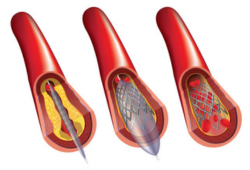
Placement of a metallic stent to open narrowed or blocked passages.
For difficulty swallowing, obstructive jaundice or intestinal blockage.
Diagnostic review and decision on type of stent required.
Endoscopic stent insertion tailored to the site of obstruction.
A non-contact thermal technique for bleeding control and tissue therapy.
For GI bleeding, lesions or abnormal tissue requiring controlled therapy.
Evaluation of cause and discussion of APC benefits.
Targeted coagulation during endoscopy.
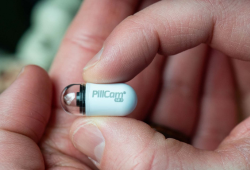
A swallowable camera that captures images of the small intestine.
For unexplained anemia, bleeding, or suspected small-bowel disease.
Instructions on fasting and how the capsule process works.
Recording analysis and follow-up treatment based on findings.
A test measuring acid reflux episodes over 24 hours.
For persistent acidity or unclear GERD diagnosis.
Review of symptoms and explanation of probe placement.
Reflux management or medication adjustment based on results.
A test measuring the pressure and movement of the oesophagus.
For swallowing difficulty, chest discomfort or motility disorders.
Explanation of the procedure and how results guide therapy.
Tailored treatment for motility issues such as achalasia.
Sedation keeps the procedure comfortable.
Yes — most procedures are day-care.
Most are harmless but removed to prevent future risk.
Performed by trained specialists using advanced equipment.